This website and the material it contains were written and produced collectively by an original Sandplain Grassland Network Steering Committee that consisted of Karen Beattie, Sarah Bois, Russell Hopping, Jennifer Karberg, Karen Lombard, Christopher Neill, Polly Weigand, Robert Wernerehl, and Michael Whittemore. Lena Champlin conducted and transcribed interviews with grassland managers and wrote drafts of many chapters. Elizabeth Farnsworth designed the logo. Tsitsi McPherson began the process of collating much of the literature. Julianne Waite provided invaluable website design and support. This activity was supported by the Marine Biological Laboratory, Nantucket Biodiversity Initiative, The Nature Conservancy, Woodwell Climate Research Center, the Department of Interior’s Northeast Climate Adaptation Science Center, the New England Wildflower Society, and a generous gift from Brien O’Brien.
Karen Beattie is the Vice President of Science and Stewardship for the Nantucket Conservation Foundation, a private, non-profit land trust that owns, protects, and stewards over 9,014 acres of conservation land on Nantucket Island, MA. She holds a B.S. degree in Biological Sciences from the State University of New York at Stony Brook and an M.S. degree in Wildlife Management from the University of Massachusetts at Amherst. Karen has worked for NCF since 1992 and currently oversees the Department of Ecological Research, Stewardship and Restoration. The department, which hosts wildlife ecology, botany and plant ecology, and coastal ecology programs, focuses on research aimed at informing the restoration and stewardship of rare resources on NCF’s properties.
Dr. Sarah Bois is the Director of Research and Education for the Linda Loring Nature Foundation on Nantucket Island, Massachusetts. Her research focuses on conservation and biodiversity topics including native shrub phenological response to climate change, coastal vulnerability and resiliency, non-native invasive species, management of sandplain grasslands, and rare species conservation. In her current position, Dr. Bois manages 275 acres of sandplain grasslands, coastal heathlands, coastal shrublands, and freshwater wetland habitats. Her position at LLNF combines her interests in research, conservation, and education. Sarah received her PhD in 2012 from the Department of Ecology and Evolutionary Biology at the University of Connecticut where her research focused on non-native invasive species distributions in New England and efforts to prioritize management with climate change. Sarah currently sits on the Town of Nantucket’s Coastal Resiliency Advisory Committee and co-chairs the Nantucket Invasive Plant Species Committee. Sarah is also on the leadership team for Northeast RISCC, the Regional Invasive Species and Climate Change project for the northeastern US.
Molly Cahill is the Field Ecology Coordinator with Nantucket Islands Land Bank. In her role, she oversees plant community surveys and management of sandplain grassland and coastal heathland communities, as well as monitoring and management of pitch pine forests. She previously worked as a Forest Inventory Assistant with the U.S. Fish & Wildlife Service, implementing a regional forest inventory and monitoring program on National Wildlife Refuges in the North Atlantic-Appalachian Region. Ms. Cahill’s graduate research focused on using classification of Landsat and Sentinel imagery to map and detect eastern hemlock decline in pest-infested New Hampshire forests. She has also worked on long-term forest monitoring studies with Harvard Forest and has worked as a GIS technician, consultant, and educator. She holds a bachelor’s degree from Brandeis University and an MS in Natural Resources and the Environment and a Graduate Certificate in Geospatial Sciences from the University of New Hampshire
BiodiversityWorks
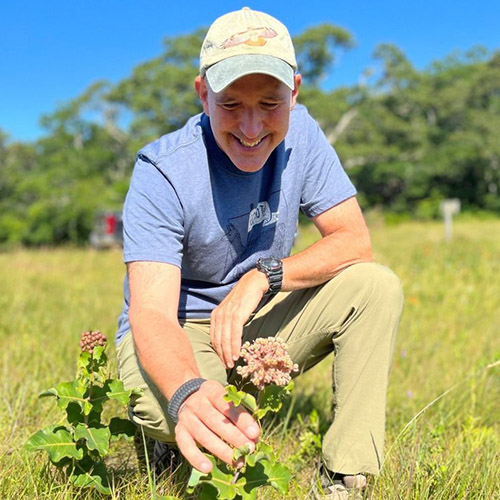
Richard Couse is the Director of BiodiversityWorks’ Natural Neighbors program on Martha’s Vineyard. Natural Neighbors aims to increase native biodiversity and habitat connectivity by guiding landowners in managing their property to enhance benefits to native plants, pollinators, and wildlife.
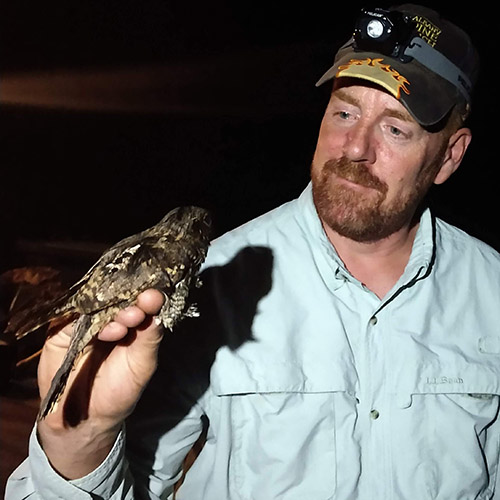
Neil Gifford is the Conservation Director for the Albany Pine Bush Preserve Commission, and a community representative on the North Atlantic Fire Science Exchange, with 26+ years of fire ecology and pine barrens restoration experience. He earned associate’s, bachelor’s, and master’s degrees in Ecology and Environmental Science from Paul Smith’s College, and Plattsburgh State University, with an emphasis on fire ecology and field ornithology.
Karen Lombard has worked in stewardship and restoration with The Nature Conservancy since 1997 and has been with TNC in Massachusetts since 1999. She leads a TNC stewardship team that manages over 6000 acres of TNC fee land and monitors over 2,500 acres of conservation easement land in Massachusetts. She has 30 years of experience in restoring and managing habitats on TNC and partner lands including floodplain forest restoration, application of prescribed fire, and invasive plant control. She also oversees the restoration and management of the several hundred acres of sandplain grassland on Martha’s Vineyard for TNC. She has an MS in Natural Resource Management from the University of Michigan and a BA from Williams College.
Elizabeth Loucks is a Land Steward for the Sheriff’s Meadow Foundation, a local land trust on Martha’s Vineyard, where she has worked since 2018. She has a Bachelor’s degree in Environmental Studies from Warren Wilson College in North Carolina, and a Master’s degree in Forestry from the University of Kentucky. She has expertise in invasive plant management, field botany, prescribed fire, and preserve stewardship. She previously worked as the Land Steward and as Stewardship Manager for The Nature Conservancy on Martha’s Vineyard from 2005 to 2018. Before moving to Massachusetts, Liz held seasonal positions on prescribed burn crews with TNC in Missouri, South Carolina, and Maine and with the National Park Service in Wyoming, Tennessee, and Washington.

Rebekah Myers is the Stewardship Manager for The Nature Conservancy on Martha’s Vineyard, Nantucket and in Southeastern Massachusetts. She protects globally rare and imperiled Sandplain grasslands and engages with the community and partners to benefit both people and nature. She holds degrees in Wildlife Science and Natural Resource Management and has been involved in field research across four continents and across restoration ecology, animal behavior, invasive species management and participatory resource management with indigenous and local communities. Rebekah draws from her work experience operating a forest-raised hog farm and bed and breakfast.
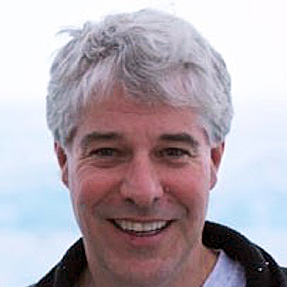
Dr. Chris Neill is an ecologist and Senior Scientist at the Woodwell Climate Research Center in Falmouth, MA. He studies the consequences of deforestation and expanding agriculture in the Brazilian Amazon, and works with land managers on biodiversity and management and restoration of grasslands, shrublands and wetlands in coastal Massachusetts. Neill is a co-founder of the Sandplain Grassland Network, which brings together scientists, landowners, and managers to improve grassland management for biodiversity.
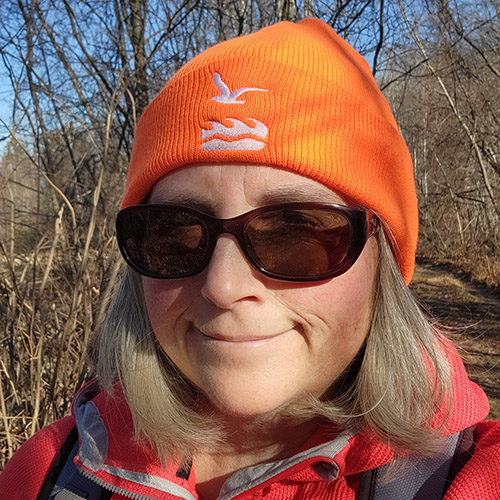
Kelly Omand is Plant Research Ecologist and Botanist for the Nantucket Conservation Foundation. She has worked in NCF’s Science and Stewardship Department since 2008. Her research interests include native plant community restoration, invasive plant ecology and management, and island ecology. Much of her work includes rare plant monitoring, along with overseeing vegetation surveys in a range of habitats from sandplain grassland to restored cranberry bogs and forest, in support of adaptive management practices. Since 2014, Kelly has been working with colleagues on an update of the Nantucket County Flora, which is nearing completion. Kelly’s past ecological work includes field seasons with the Resource Management Departments of Hawaii Volcanoes National Park and Acadia National Park, and a field season at Rachel Carson National Wildlife Refuge. Kelly holds a BS in Environmental Conservation from the University of New Hampshire, and an MS in Environmental Studies with a focus on Conservation Biology from Antioch University New England.
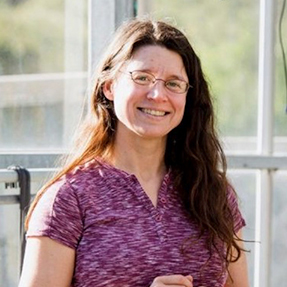
Polly Weigand is an ecologist and Northeast Fire Project Manager for the Forest Stewards Guild and member of the North Atlantic Fire Science Exchange. She holds a Bachelor of Science in Environmental Studies and Biology from St. Lawrence University in Canton NY and a Master’s of Science in Urban Ecology from Hofstra University. For her master’s thesis, Polly conducted the first comparative floristic grassland study on Long Island “When does restoration do more harm than good? Lessons learned for grassland management in the Atlantic Coastal Pine Barren Ecoregion”, which also examined the impact of management and land use on grassland quality. She also has developed many technical reports and inventories to aid the public and agencies in grassland creation and restoration projects. Polly served as the Executive Director of the Long Island Native Plant Initiative (LINPI), an organization she founded during her 13-year tenure with the Suffolk County Soil and Water Conservation District. LINPI, advances wildland seed collection, banking, and plant material production to provide ready sources of genetically adapted and ecologically appropriate plant materials for use in commercial plant production, landscaping and restoration. Polly also helps oversee the administration of the Long Island Invasive Species Management Area, the local Partnership for Regional Invasive Species Management (PRISM) as an additional means to protect Long Island’s native ecosystems from the effects of invasive species.
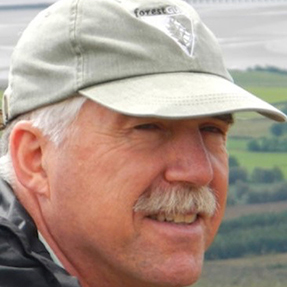
Dr. Robert Wernerehl is the recently-retired State Botanist of Massachusetts where he led the botany program at the Natural Heritage & Endangered Species Program, Massachusetts Division of Fisheries and Wildlife. Through the Massachusetts Endangered Species Act, he helped protect and monitor populations of over 500 species of vascular plants state-listed as Endangered, Threatened, Special Concern, Watch List and Historic, including four federally-listed threatened and endangered species. Dr. Wernerehl has over 20 years of conservation experience. Previously, he served as an instructor at University of Wisconsin-Madison and has over 15 years of private consulting experience. Bob earned a PhD in Plant Ecology and a Bachelor of Science in Botany from the University of Wisconsin-Madison.